Antelope Creek Wildlife & Ponds
"Specializing in Managing and Developing Fish and Wildlife Populations
and their Habitats and Providing Land Management Services so you can
get the most Enjoyment and Profitability out of your Property"

ESTABLISHED 2012
  • Home
  • Services
    • Wildlife Mgmt.
    • Habitat Mgmt.
    • Pond Mgmt.
    • Fisheries Mgmt.
    • Land Mgmt.
  • Products
  • Photo Gallery
  • About Me
  • Contact Me
  • Blog
  • Videos

Timing of Antler Casting

2/1/2017

 
Picture
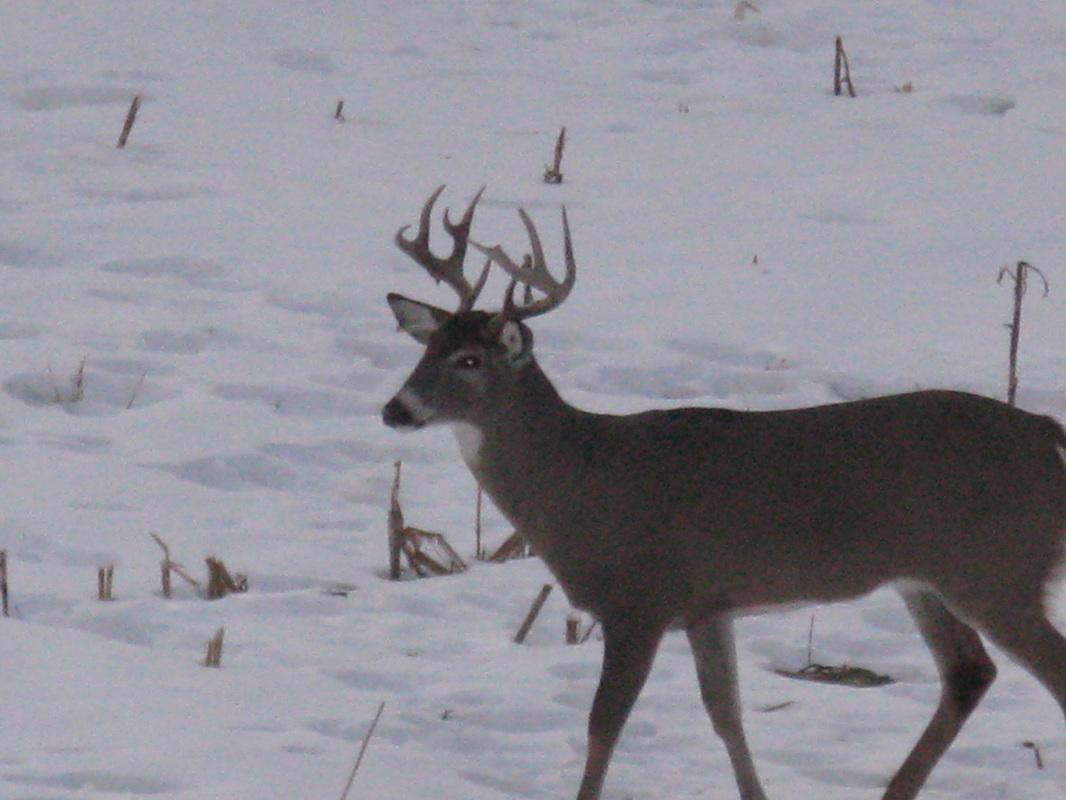
Over the past month I have had quite a few questions regarding when deer begin to shed their antlers and why. Some have been concerned that they were seeing deer drop antlers in December and others wonder why some bucks hold onto their antlers long into the winter. There are a number of factors affecting antler casting and I cannot say anyone knows the exact answers. However in my experiences I have noticed trends relating to when along with doing quite a bit of reading on the subject.

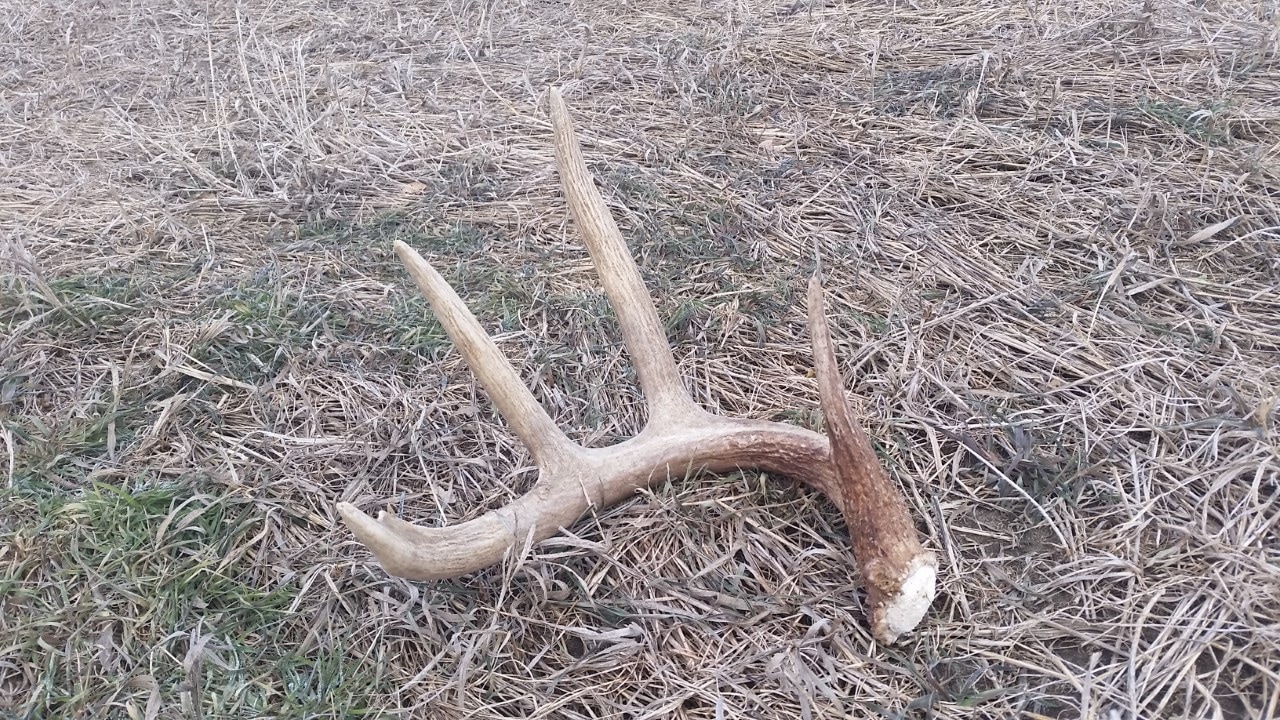
First off I want to discuss how antlers fall off. Antlers are essentially dead material once they harden and velvet is rubbed off. They attach to the pedicle which is living bone. This connection is only maintained during high testosterone levels. The combination of the rut being over and photoperiod shortening, testosterone levels begin to diminish. The bone cells known as osteoclast, reabsorbs calcium between the antler and pedicle, weakening the connection resulting in the antler falling off.

Although low testosterone levels and photoperiod changes are the main contributing factor to antler casting there are a number of other factors that can influence the drop. All of these factors relate to some level of stress either in the entire herd or in an individual. As one may expect, nutrition is very important and herds and bucks in great physical condition will likely hold their antlers longer. If you are seeing many of the local bucks dropping antlers earlier than expected there is likely a habitat issue going on. This could be simply caused by an over populated herd, crop failures due to extreme drought, extreme heat or even extreme cold. This year I think weather factors have lead to some increased stress in many parts of Nebraska and South Dakota. We started off with unseasonably warm temperatures into mid to late November. This was followed by snow storm and extreme cold throughout December and January with again unseasonably warm temperatures mixed in between. These weather related stresses could have led to early casting in some areas.

Breeding will also play a factor. If the buck to doe ratio is skewed towards does, and all does are not being bred in the initial rut, then this can leading to prolonged breeding. This causes testosterone levels to stay elevated resulting in longer antler holding. If bucks are frequently fighting, this too will cause elevated testosterone levels, resulting in the holding antlers longer. However, if the buck to doe ratio is nearly even and all the breeding is done in short amount of time this could result in many of the bucks casting early.

However, if you notice only one or two bucks casting early there is likely some sort of stress on that individual deer.  This could be due to age, injury, and dominance status. Maybe there is a mature buck on your property and he gets very stressed out from a worsened body condition after a long rut and is having a tough time putting the body reserves back on. This added stress certainly does the deer no good. One of the bucks may have been injured in some fashion either from fighting in the rut, running from predators, hit by a car or many other scenarios. His body taking over trying to heal itself can cause added stress to the individual. In times like this the body will use nutrients where there are most needed. Finally a younger buck may have been “The Boss” on your farm all season, when sometime in the late season a much more dominate buck moved onto the property making him lose dominance. This loss of dominance can result in reduced testosterone levels. All of these factors can lead to individuals casting their antlers early.

In closing there are many factors that can affect the “when” factor of antler casting. I personally think the winter weather has more to do with it than many think. It was the middle of April 2016 when I was drilling some CRP grasses for a client of mine. That morning as started out around the field, I was coming to where a shelter belt and a wooded draw met, when 6 whitetail bucks came running out of the draw. All of these bucks were still holding both sides of their antlers. If you remember the winter before was one of the warmest I can remember. The ground did not freeze, we had maybe half a dozen snow storms, and the snow was melted within a few days of those storms. The deer had very little weather related stress that year and it showed in the number of bucks holding antlers well into the early spring.

Remember to manage today for a better tomorrow!

Brett Kleinschmit
Oakwood Buck

1/3/2017

 
Picture
There he was about 400 yards away walking along a slough towards the lake. I grabbed the antlers hanging on the branch next to me and rattled them together a bit. He disappeared behind the hill and cattails and I sat there waiting. Did he hear me? Was he going to come my way? Would I finally get a chance at him? Suddenly, there he was standing between to cedars on the edge of the corn field only 150 yards away. I gave a little bleat from my doe in estrus can and waited. He heard it and began to venture out into the cornfield. Next thing I know he was only 40 yards away and closing the distance fast.

Although everything was going so smoothly that brisk November morning, there had been months of preparation up to that point. It had all started the very first weekend that I moved to Brookings, SD to start my freshman year of college. As soon as I was moved in I was out driving around looking for a spot to hunt. It didn’t take long before I found a spot close to town that looked great for ducks and deer. I soon had my trail camera and stand set up in what appeared to be a secluded area with plenty of deer sign. Checking my camera about two weeks later was like opening Christmas presents. There was a good 5x5 and he was even out in daylight. I started hunting whenever I found time, but things slowed down and I never saw any deer except when I was duck hunting.

After a frustrating night in the stand, I was ready to move my stand. During an evening hunt, I had rattled and was quietly waiting when I heard something coming in the trees and brush behind me. I could tell that whatever it was was within 20 yards. Then along came some blundering kid with his dog making all kinds of raucous. He walked 10 yards in front of me and never noticed me. About half an hour later he was back just as loud as ever. Not to my surprise, I never saw what was behind me in the brush.

The next time out I was reluctant to try a new spot along the edge of a cornfield. On my walk in, I realized I had forgotten my trigger release in my gun locker. I went and sat anyway figuring I’d shoot fingers if a nice buck came to within 20 yards. As I sat there watching the sunrise, a nice buck came walking out of the trees. As he walked past at 50 yards, I was really kicking myself for forgetting my trigger release. After he was gone, I immediately went and took my stand down and put it up along the cornfield close to where the buck came out of the trees. Sitting there the next few days I only saw a few does and a flock of 50-60 turkeys.

After returning to Brookings from the Nebraska rifle opener I was right back in the stand. Tuesday’s I didn’t have class until 1 so I was in the stand in the morning. Early on I saw a buck walking along the edge of the cornfield 150 yards to the north. When I grunted at him, all he did was turn and look, then kept on going east. As I sat there in disappointment that he left, my
mind was soon back to normal when a huge flock of turkeys came walking out of the trees only 50 yards to the south. Soon there were 3 does joining them. I sat there admiring them when out of nowhere, another nice buck walked past the does and into the trees. Grunting at him proved worthless as it only scared the does off. Sitting there wondering if I just ruined my entire hunt, I looked up to see the buck I first saw coming back in my direction. He was still a good 400 yards away, but he was coming in the right direction.

I grunted and rattled right away before he got too close and then waited as he disappeared in the cattails. Five minutes later there he was 150 yards away between two cedars, scanning the cornfield for does and danger. I bleated at him with my doe in estrus can and watched him start across the field. As he angled away from me, I gave him another bleat. Suddenly there he was at 40 yards and getting closer fast. My heart was racing as he was almost to my shooting lane. I drew back and waited as he took a few more steps. ”Meah,” I bleated at him and he stopped at 15 yards, staring up into the tree looking for what had just made that sound. THUMP! He turned and ran, the arrow sticking out of his shoulder. As he got to the other side of the cornfield he slowed and came to stop. As he stumbled in a circle, he fell to the ground dead. Excited as I was, I waited in my stand for what seemed like forever.

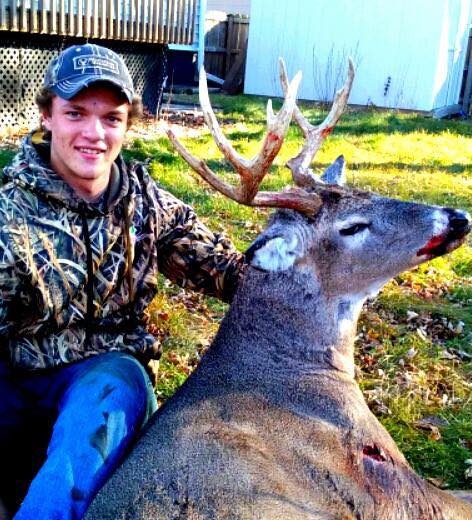
After gathering my things and crawling down I hurried to where he lay. As I walked up to him, my heart began to race even faster. I knew that this was definitely the biggest deer I had ever shot. On top of that he was my first South Dakota deer, and only my second archery deer. He would’ve been a 4x5, but after all the fights he had been through, he broke off both brow tines and his left G2 leaving him only a 4x2. Never the less, I was still super exited and more than happy with him considering I was hunting public land with stands set up only 200-300 yards apart across the whole property.

Now that the season is over, I am already excited for next year, wondering what made it through the season and hoping I’ll have a chance at them.

James Kleinschmit

Crane Wreckin

12/4/2016

 
Picture

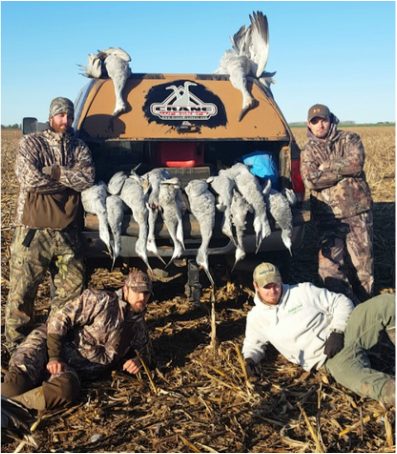
A few years ago Monte Feck and I both started guiding snow goose hunts for Neu Outdoors. During that time I got to know Monte pretty well and learned about his business of guiding Sandhill Crane hunts that he and his partner, Bryan Baker, had recently started. I have never hunted Sandhill Cranes and knew nothing about hunting them so I was intrigued by what he did. We talked about me making it down there to hunt with him over the last few years and it was always in the back of my mind. Finally this last summer I talked with my brothers and a few friends about making the trip. We set the dates and could wait to get down to the Kansas/Oklahoma line to hunt these amazing birds.  Finally the morning of November 28th came and we left Yankton headed for Oklahoma to hunt cranes for a few days with Crane Wreckers.

As we headed south Monte gave me a call updating me on the hunting. Instead of hunting Oklahoma like we had planned Monte and Bryan had a couple fields lined up in Kansas with a bunch of birds. We made a quick pit stop to grab our Kansas hunting licenses. We arrived to the area we were going to hunt just in time to meet up with Monte at the field we would hunt the following morning. As we got there the cranes were starting to head back to the refuge to roost for the night.

Once all the cranes had left the field we headed into the cut milo to find a good place to set up for the mornings hunt. Once we had the place we wanted to set up determined we got the blind all put together in the ditch line and set out the decoy stakes. All we had to do for the mornings hunt was set the decoys on the stakes and wait.

Shortly before sunrise the morning of the 29th we were all set up and settled into the blind patiently awaiting the cranes to show up. Soon after sunrise the southern skies began to fill with waves cranes coming to feed. We had anywhere from 50 to 100 cranes finishing right into the kill hole with hundreds following behind them. It was quite the site seeing those wide wingspans and long legs coming in to land. Their distinct sound was even more impressive. I have heard them during their migration before but not like that where you are sitting right underneath of them.

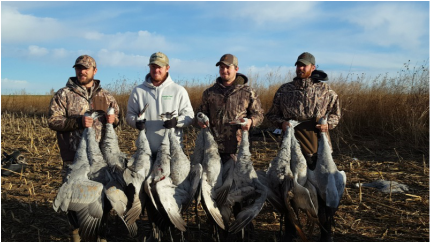
With 14 shooters in the blind we had our limit with 5 volleys 2 of which consisted of 2 birds and a single bird harvested. After the final volley we had a 14 man limit on the ground. As we took pictures, picked up the decoys and broke the blind down loading all into the trailer, we still had waves of cranes flying over. In fact we thought we may be able to hunt the same field the following morning. After cleaning birds, eating lunch, and taking a short break we went back out to scout the field again for the next morning and indeed they were all back in there so we decided to give round 2.

Again we set the field once the birds left so we were ready to go in the morning. It was again an impressive flight to the field. With 5 guys in the blind it took us little time to have our limit on the ground. This was truly a great experience and one I hope to do again. It was amazing to see these birds coming out to the fields to feed. There were thousands of cranes in the area and again they kept flying into the field as we were picking up.  I don’t care what type of hunter you are but I feel this is one hunt all must experience at least once.

Monte and Bryan of Crane Wreckers run a great operation. They have a spacious blind with comfortable seating so that you are comfortable for the hunt. They use stuffer decoys with about 90 decoys to a set up. The blind is designed to add sections to it to accommodate the number of hunters present for each hunt. These guys work their tails off to make sure each and every group of hunters is on birds and they get it done every day. To book a hunt with them contact Monte at 620-222-7470 or go to their website http://www.cranewreckers.com/

You can watch this hunt next Monday December 12 on Cabela’s Northern Flight to see how the entire hunt unfolded!

Brett Kleinschmit
Picture

Knowing your Goals

11/10/2016

 
Picture
Whether one owns or leases property for hunting and fishing, we all dream about how that property could be at some point while using or thinking about the property. We may think about what kind of projects we could do and how we may implement those projects. Which projects are more beneficial or higher priorities than others? To determine the right management projects you need to have a clear definition of what your overall goal for the property is.

Knowing that exact end goal will make transforming and managing your property a whole lot easier. Set smaller goals that will help you achieve the end goal. If you are looking to hire a consultant to help with your property this is especially true.

When it comes time for a consultant to write up a proposal on how to manage and develop a property, it makes their job a whole lot simpler if they know the desired end result of the property owner. If one does not have a clear goal in mind it becomes more difficult to write up a plan to manage that property.

So whether you plan to research how to achieve your dreams yourself or you plan to call a consultant and have a professional proposal or prescription written, make the whole process smoother with better results and make sure you yourself are clear on the goal in mind.

Remember to manage today for a better tomorrow!

Brett Kleinschmit 
Is EHD Back?

9/22/2016

 
Picture
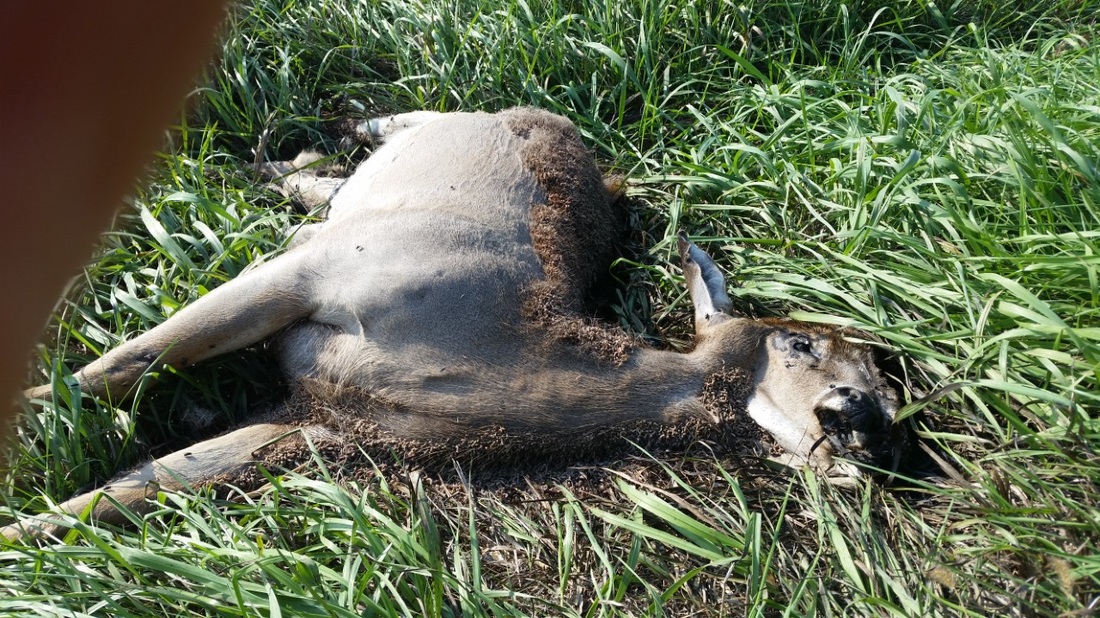
Over the past few weeks I have been getting calls from land owners in the area about dead deer. As I got asked these questions and began talking and listening to others it has become evident to me that we are experiencing some loss due to EHD (Epizootic Hemorrhagic Disease). Although I haven’t found any myself on either the grounds that I hunt or those that I manage for others, it seems that it is definitely occurring. Many of our trail camera photos show signs of unhealthy deer as well.

The more people I talk to the more prevalent it seems to be. As farmers are out checking crops for harvest and hunters scouting, the smell has been the key to finding these deer. There have also been reports of sickly looking deer wandering near farmsteads unafraid of humans. This is a clear sign that one is likely sick.

In our part of the country we were rather dry during July and August creating the perfect conditions for the biting midges that spread EHD. Although we have had some wet weather in the recent weeks, I think the damage is done. All we can hope for is a good freeze to kill the midges. So far it doesn’t seem to be quite as bad as it was in 2012. In fact it may be a good thing to get it coming through again.

If it occurs more often, it gives the population a chance to build immunity for the disease, in my opinion. Those who survived the last go round as fawns are only 4 years old now and if they survived then they should be able to get through it now especially if they contracted the disease the first time and made it.

I suspect we will see the full story of how bad this year’s outbreak is, as crop harvest ramps up in the coming weeks. So far the reports, I don’t think, are near as bad as they were 4 years ago. Hopefully your hunting grounds haven’t been affected too badly. There is no way to treat this but as I stated above maybe the herds can begin to build immunity towards the disease. Otherwise we can make sure our herds are in the best shape they can be by harvesting the appropriate number of deer for each individual property, providing the best habitat possible with the best food and water sources we can so that deer remain as healthy as they can.

Remember to manage today for a better tomorrow!

Brett Kleinschmit
Arrow Selection

9/6/2016

 
Picture
Picture
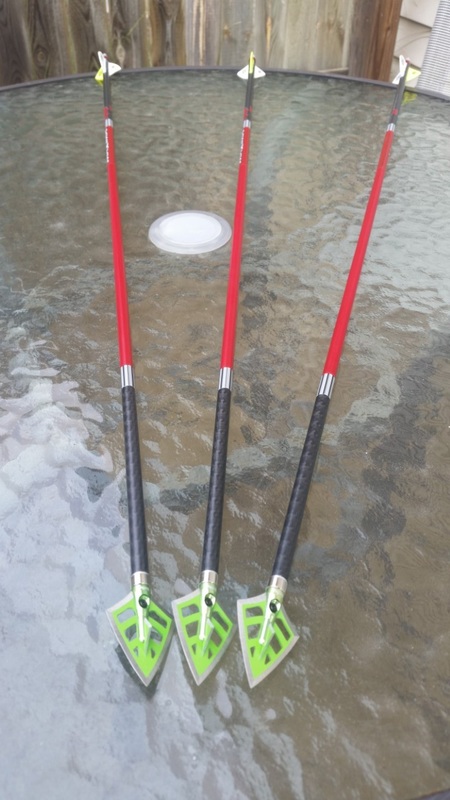
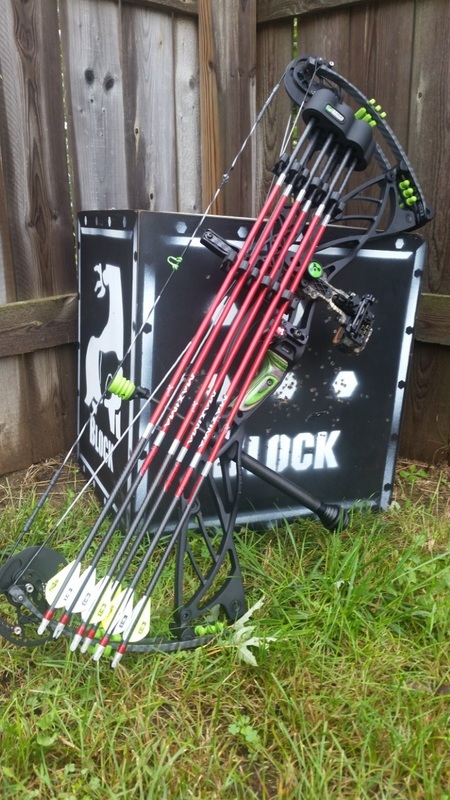
The past 4 years as a hunting guide, I noticed that many people overlook one of the most important aspects to bow hunting… the arrow. Most people showed up to camp and talked about their bow and how fast it shot, how light it was, the site they chose and why, broadheads etc., but I rarely heard any of them talk about the arrow they shot. There are actually instances where I have seen multiple brands and sizes of arrows being used in a set up. That is like bringing .270 ammo for your 30-06.  

One needs to consider how the arrow as a whole unit, broadhead, spine, nock, fletchings and inserts are going to perform. All of them should be set up the same way and the same weights. You want consistency in your arrows so that each one will fly nearly identical to the next. With all the variables involved in making a consistent flying set of arrows, the shaft is likely the most important. One can get fixed blade and expandable broad heads to fly consistent with field points through proper tuning. Only so much can be done in the bow set up and tuning for consistent accuracy a lot comes from the arrow.

First off you need to determine to correct spine for your draw length and weight you shoot. Having the correct spine weight for your arrows goes a long ways in being accurate but I think purchasing arrows that have consistently built by the manufacture with good materials takes your arrows to the next step and aids in even better accuracy. This is where Carbon Express becomes my arrow of choice.

Carbon Express continues to be one of the leaders in the arrow industry with firm tolerances for arrow straightness, spine strength and consistent even weight throughout the length of the shaft. This becomes very important when desiring the most accurate arrows. They changed the game with the Maxima Red arrows.

Once an arrow is released the sudden transfer of energy causes that arrow to oscillate or bend back and forth. Adding a broadhead to the end of the shaft will magnify the effects of oscillation. In the Maxima Red arrow by Carbon Express, they came up with a way to confine spine flexing to the middle of the shaft rather than the ends like most areas. They refer to this area as the red zone. This allows the arrow to recover from oscillaton and stabilize quicker resulting in improved accuracy especially with a broadhead. This will also make tuning your bow easier with fixed blades.

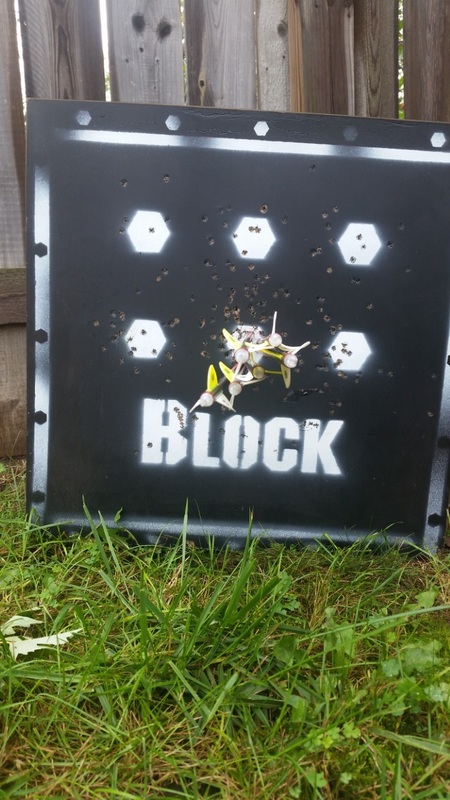
I have shot Carbon Express arrows for over 10 years now and have always loved them. Over the summer I have been shooting these arrows and I have to say I am very impressed. Especially with the broadhead flight is where I noticed the biggest difference, particularly at longer distances. Practicing at longer ranges of 60, 70 and 80 yards with fixed blade heads these arrows are flying incredible and are very accurate. I have also noticed that I am getting a much greater amount of penetration with these arrows than other arrows I have used in the past. Some of that has to do with the arrow weight and bow set up but I think some of it may be due to how quickly the arrow is stabilizing. I cannot wait to get the chance to get after deer, elk and antelope this season with the current set up.

So if you are looking to improve your hunting accuracy I highly recommend you take a look at these arrows. Remember to practice, practice, practice to prepare for that moment you have waited for all season. Don’t just shoot your field points and screw your broadheads on the day you head to the tree. Practice with them and get your equipment finely tuned so you too can have the most confidence in your equipment.

Being confident is key to great success!

Brett Kleinschmit
Picture

Plan Before you Build!

7/21/2016

 
Picture
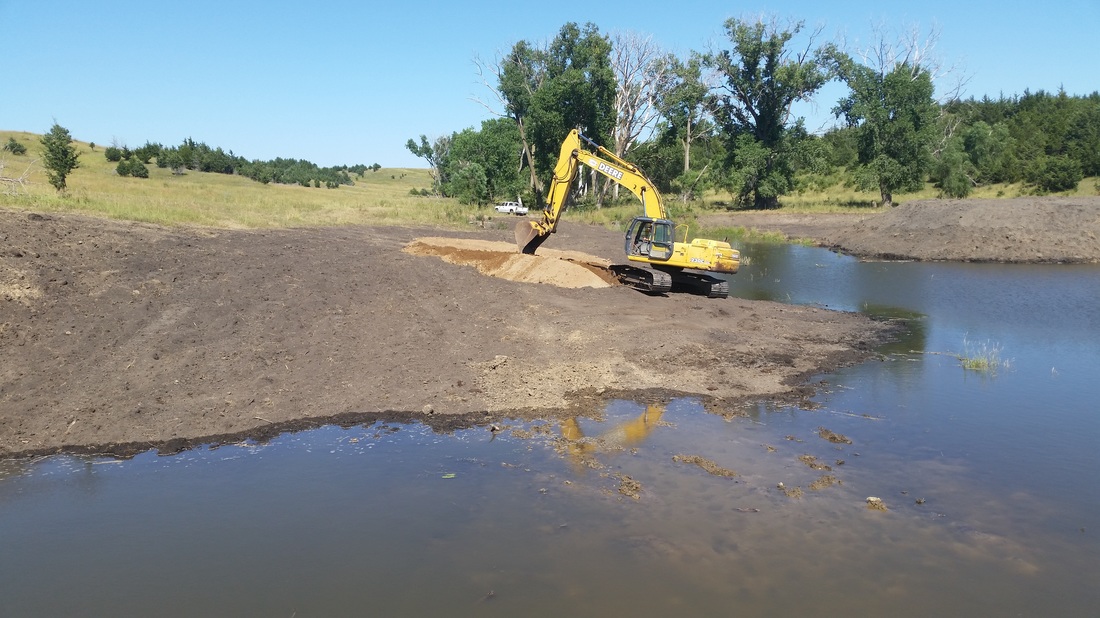
Here we are having gravel brought in for spawning substrate in water that will be from 1 foot to 8 foot deep.
Thinking of having a recreational fishing pond built at that special location that you have always dreamed of having a fishing hole? Before you get too deep into in and it is full of water take some time to plan deeper than just a dam or a hole in the ground full of water. Most of the ponds that I visit are just that. The classic cereal bowl shape with no contour or structure in the entire water body, the only fishery habitat is around the perimeter of the pond and consists of emergent and sub-emergent vegetation.

It is not that aquatic vegetation is not vital for a fish community, because it is very much necessary towards a successful fishery, because it provides a safe haven for fry and fingerlings, but it is only present for the summer months in northern climates. If that is the only form of structure in the pond what do the fish do come the months of the year the vegetation dies off?
Fish need elements of structure for all stages of their life cycle. Not just thick vegetation for fry and fingerlings to hide but they need, areas to spawn, congregate, loaf, feed etc. and they need these areas all times of the year. Fingerlings that make it to fall and even adult prey species need places they can hide from the adult predator fish during fall, winter and early spring months as well.

Before you begin to build think about the species you wish to have in the pond. This way you can design the ponds structure accordingly. Yes a lot of species may use the same structure as another but maybe at different stages of their lives. Solely depends on what species we are talking about. Many species have different requirements for spawning structure or substrate over another. For example, bluegill and catfish are not going to spawn in similar habitat types. Yellow Perch are another species with specific needs for laying their eggs.

Think more than just spawning too. Plan out how you will want to fish the pond and create specific structures to attract and hold fish for your fishing outings. While the earthmovers are there put that equipment to use by building underwater creek channels. Use the excess dirt from that to build underwater reefs and islands covered with rocks and boulders. Extend points from shallow water to deeper water; add boulder piles, brush piles with lay down logs coming off points. This helps create escape from shallow water to deep water quickly, while having loafing and ambush sites for predators with heavy cover nearby for fingerlings and prey fish.

There are many options out there with natural and artificial habitat. Use what you have. We recently used 3 old cars as structures in the deep water serving as reefs or as salt water fishermen say, wrecks. These cars were pulled out of the ground during the excavation process. If you do this make sure any oil or petroleum products are out of the car. You can use trees that have to be taken out for construction as well; even old concrete chunks could be used in place of boulders. There are many options out there.

So before you start having that dream water body constructed sit back and think a little deeper than just a hole filled with water and some fish. How do you see yourself fishing it and what species do you prefer? Consult a local fisheries biologist or private consultant to help you with these decisions.

Remember to plan and manage today for a better tomorrow!

Brett Kleinschmit
Managing Clover Food Plots

6/22/2016

 
Picture
Right now can be a crucial part of the year for clover food plots. Without the proper care and attention during the months of June and July is when your clover plots can be lost. Broadleaf weeds can begin to compete along with many grasses that may start to come into the stand. This is especially true for first year clover plots. How to manage them may sound difficult but is really quite simple.

To combat the broadleaves in the plot you simply must now the plot off. The clover will grow back quickly and many of the other broadleaves encroaching into the stand will take some time to come back from being mowed off. This is where the clover should grow back fast enough to out-compete the weeds by shading them out. Grasses however cannot be managed through mowing.

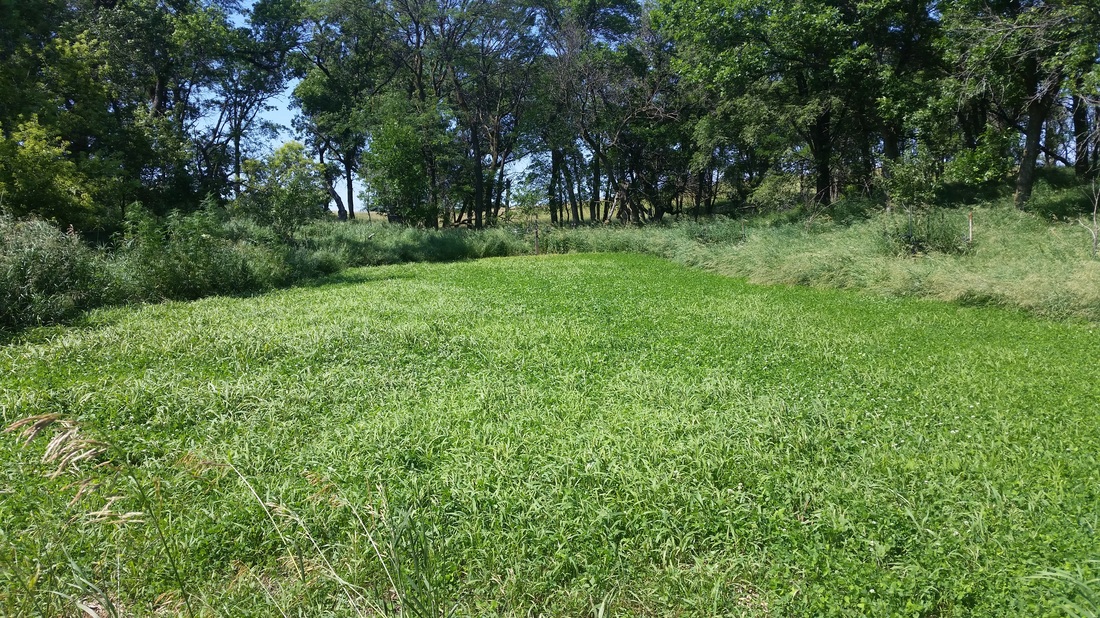
The best way to combat the grasses that may start choking out your clover plots is with herbicide. In the picture above you can see that grass that has started encroaching this small kill plot on one of my clients properties. I first mowed the plot off knowing there was grass coming into it. However there were also broadleaves coming and the mowing took care of them. About 2 weeks after mowing I came back in and sprayed this plot with a grass selective herbicide. In this case I used Targa, which I had leftover from spraying bean plots for volunteer corn. Select would be another great choice. Any chemical that is for the use of killing grasses and not broadleaves will work. As you can see in the picture, after a few days the grass is turning a yellow color and with a closer look much of it is starting to get brown spots on the blades. Hopefully this one spraying will do the job.

On this particular plot I may do one more mowing after the grass is dead. I will just monitor the plot for broadleaf competition.  At the time of spraying the plot I also fertilized the plot. Now is a good time to fertilize them as well. I got it done right before a good rain so the fertilizer should have done a great job. For best results with fertilizer make sure you take soil samples to determine the correct rates of each nutrient you need to get the best results out of your plots.

Remember to manage today for a better tomorrow!

Brett Kleinschmit
Why Aeration?

5/23/2016

 
Picture
Often times I am asked while on a site visit, if and why they should aerate their pond. There are many great benefits to aerating your pond with a bottom diffusser system. This goes back to a previous article on water quality and the health of the fish in a pond. There are also many other great benefits to using an aeration system in a body of water. Some of those reasons aren’t for the purpose of fish at all.

The most important reason I would suggest an aeration system is for the health of the fish. Oxygen levels of around 5mg/L are ideal for healthy fish production. Once it starts going below 5mg/L fish growth will slow and disease can become more prevalent. Once the dissolved oxygen concentration starts getting around 2mg/L or less, fish kills will likely result. Fish kills can happen during the summer or winter months, so once a system is installed I recommend them running full time. Also there are studies that show if oxygen levels are above 5mg/L that fish growth can increase in fact some show that a concentration of around 8g/L can show the best growth rates in fish.

Aeration can also help with water quality features. It will help speed up the decomposition process under the water resulting in cleaner healthier water with less chance of toxins building up. These toxins and gases produced from decomposition are released into the atmosphere due to the pond being constantly turned over. With the decomposition process being sped up, there are less excess nutrients available in the water column resulting in less growth of unappealing algal blooms. This will also help reduce the amount of that black muck buildup, that when you walk through it smells like rotten eggs. Over time and in combination with the appropriate microbes you can nearly eliminate that muck or at the least greatly reduce it.

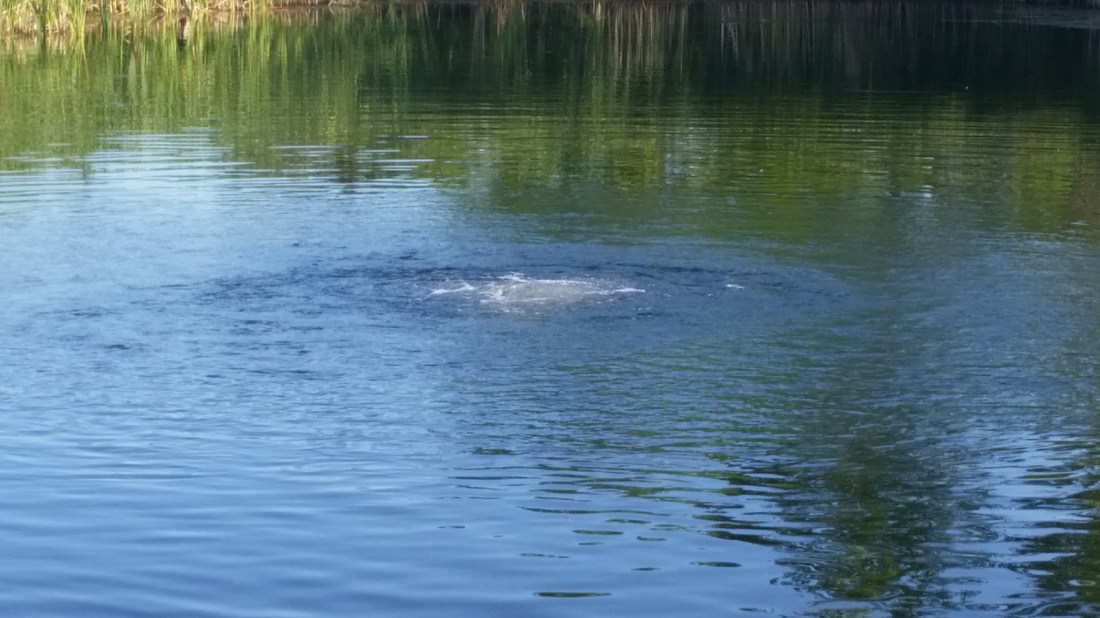
Another advantage that is often overlooked is habitat. The column of bubbles going up through the water column can actually provide additional habitat, especially for younger fish making up the prey base. This can result in more prey availability and potentially increase the carrying capacity of a water body. Also by keeping the pond turned over and having the thermocline eliminated, this allows fish to use the entire water column year round rather than being confined to the area above the thermocline that has sufficient oxygen.

Finally, there is one other reason to install an aerator that many people do not think of and only would benefit those in the Northern climate. Having the diffuser set near the shore, so there is open water in the winter months along the shore line. Why would you want to do this you might ask? Well for deer hunting. Having open water on your property can be better than the best food plot you can imagine once all of your neighbors ponds are frozen over. Even if you don’t hunt these can be great to view wildlife on your property and allow them to have the necessary resources all year long.

Remember to manage today for a better tomorrow!

Brett Kleinschmit
Form Neighborhood Coop's for Better Hunting

4/28/2016

 
Picture
Although a great looking buck with much character, we judged this deer to be 2.5 years old on the hoof and elected to let him walk. Never saw this deer before this night nor any trail cam pictures.
Turkey and morel season are in full swing! As you are out walking your property scouting for turkeys and looking for mushrooms you can’t help but think of fall and dream of where you might get a shot on that buck of a lifetime. Then you think, well the neighbors may have shot the deer I let go, or you harvest a buck in fear that a neighbor won’t let him go another year, that’s a whole other topic, but why not change these attitudes and help work to make your dreams of harvesting a big buck more realistic.

Many times I hear that people don’t even know what their neighbors hunting goals and aspirations are. In reality your neighbor may have many of the same goals as you but may hunt differently due to the way they may perceive that you hunt. Take the time to go visit with your neighbors about the past hunting season, compare notes and compare goals. Show trail camera pictures. You might be surprised how much you have in common with each other.
​
Forming a cooperative can be one of the best ways for landowners with less than say 200 acres to have experiences and possibilities of hunting thousands of managed acres by combining efforts and communicating with neighbors. Get all the neighbors together for a barbecue or meet at a local establishment to discuss everyone ambitions. Share photos of past seasons, talk about habitat and herd size. Does everyone think there are too many deer? Maybe not enough deer for everyone likes.

Once this is done you could have a wildlife manager come in and discuss how to meet the goals of the cooperative. Maybe trail camera surveys need to be done or habitat projects implemented and new food plot strategies. Combining more acres with neighbors you can utilize the most potential for the area not just one property.

One may be surprised how much they have in common with a neighbor for specific hunting strategies and dreams. So get out there and visit with each other to form better hunting for everyone involved. Maybe some won’t want to partake at first, but after a few years of even 2 neighbors working together and showing results maybe more neighbors that are seeing those results will start to join in. Even if they don’t want to join initially try to involve them with what is going on. Maybe not just show pictures of deer that have been harvested from the efforts but a better impact may be the deer you are letting walk to grow another year or two.

Remember to plan and manage today for a better tomorrow!

Brett Kleinschmit
<<Previous
Forward>>

    Subscribe to Newsletter

    Brett Kleinschmit

     Owner of Antelope Creek Wildlife and Ponds.

    Land Specialist for Whitetail Properties Real Estate

    Archives

    March 2023
    February 2023
    January 2023
    February 2022
    December 2021
    November 2020
    October 2020
    January 2020
    March 2019
    February 2019
    January 2019
    October 2018
    May 2018
    April 2018
    September 2017
    August 2017
    March 2017
    February 2017
    January 2017
    December 2016
    November 2016
    September 2016
    July 2016
    June 2016
    May 2016
    April 2016
    March 2016
    February 2016
    January 2016
    December 2015
    November 2015
    October 2015
    September 2015
    August 2015

    Categories

    All
    Food Plots
    Habitat
    Hunting
    Population Management

    RSS Feed

    Enter your Email Below to Learn What, Why and How of What we do!

Subscribe to Newsletter
Picture